
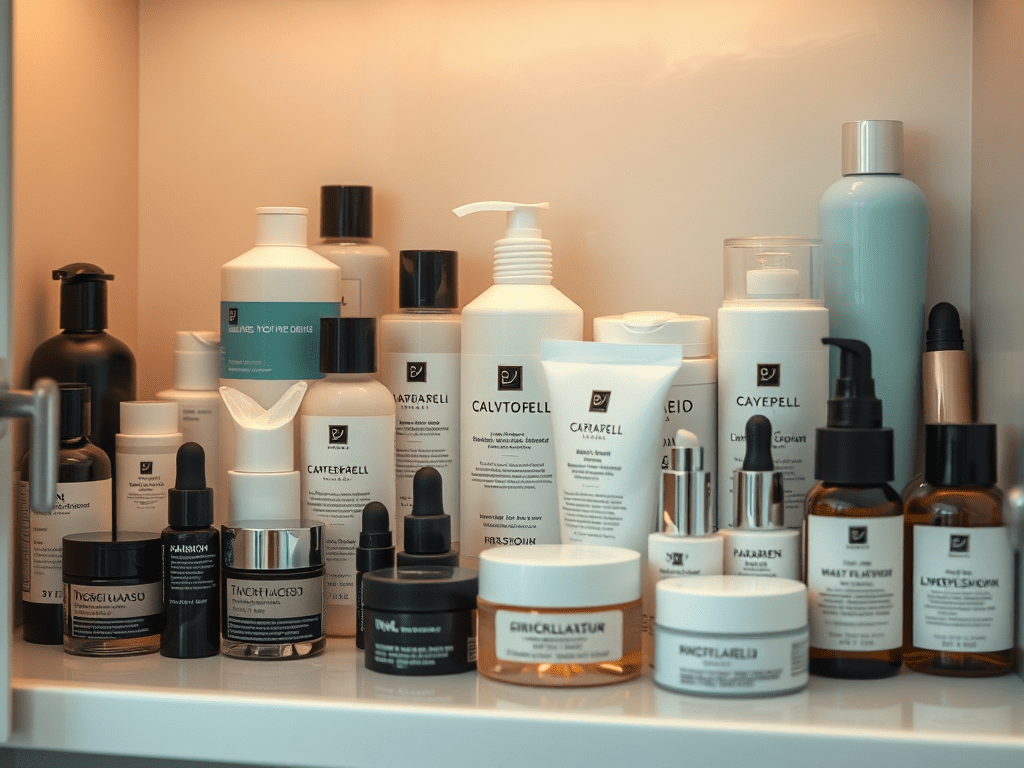
Every morning, the average woman applies 168 chemicals to her body before breakfast. Most of these ingredients have never been tested for long-term safety, and 12 of them are so toxic that Europe has banned them entirely. Yet they’re sitting in your bathroom cabinet right now.
When I started my journey into clean beauty five years ago, I thought “natural” and “organic” labels meant I was safe. I was wrong. The beauty industry is shockingly unregulated—companies can use nearly any ingredient they want, with minimal safety testing required.
After diving deep into ingredient research and consulting with toxicologists, I’ve identified the 12 most concerning ingredients that show up repeatedly in our daily beauty routines. These are the ingredients I call “The Dirty Dozen”—and once you know what to look for, you’ll never shop the same way again.
Why You Should Care About Beauty Ingredients
The skin is your body’s largest organ, and it absorbs up to 64% of what you put on it. Unlike food, which gets filtered through your liver, chemicals absorbed through your skin go directly into your bloodstream.
The Environmental Working Group found that the average woman uses 12 personal care products daily, exposing herself to 168 unique chemical ingredients. Many of these ingredients are:
- Endocrine disruptors that interfere with hormone function
- Carcinogens linked to cancer development
- Neurotoxins that affect brain and nervous system function
- Reproductive toxins that can impact fertility
The scariest part? Unlike in Europe, where over 1,400 ingredients are banned from cosmetics, the FDA has only banned 11 ingredients in the United States.
The Dirty Dozen: Ingredients to Avoid
1. Parabens (Methylparaben, Propylparaben, Butylparaben)
What they are: Synthetic preservatives used to prevent bacterial growth
Found in: Shampoos, makeup, moisturizers, shaving gels
Why they’re harmful: Parabens are proven endocrine disruptors that mimic estrogen in your body. Studies have found parabens in breast cancer tumors, and research links them to reproductive issues, early puberty, and decreased sperm quality.
Look for on labels: Any ingredient ending in “-paraben”
Safe alternatives: Phenoxyethanol, benzyl alcohol, natural preservatives like rosemary extract
2. Sodium Lauryl Sulfate (SLS) & Sodium Laureth Sulfate (SLES)
What they are: Harsh detergents that create foam and lather
Found in: Shampoos, body washes, facial cleansers, toothpaste
Why they’re harmful: These sulfates strip your skin and hair of natural oils, causing irritation, dryness, and allergic reactions. SLES is often contaminated with 1,4-dioxane, a probable carcinogen.
Look for on labels: Sodium lauryl sulfate, sodium laureth sulfate, ammonium lauryl sulfate
Safe alternatives: Sodium cocoyl isethionate, decyl glucoside, coco-betaine
3. Fragrance/Parfum
What it is: A catch-all term that can hide up to 3,000+ undisclosed chemicals
Found in: Almost everything—lotions, shampoos, makeup, cleaners
Why it’s harmful: “Fragrance” is a legal loophole that allows companies to hide ingredients. These hidden chemicals often include phthalates, benzene derivatives, and aldehydes—all linked to allergies, hormone disruption, and neurological issues.
Look for on labels: Fragrance, parfum
Safe alternatives: Essential oils, fragrance-free products, products that list all fragrance components
4. Phthalates (DBP, DEHP, DEP)
What they are: Plasticizers that make products flexible and help fragrances last longer
Found in: Nail polish, hairspray, perfume, vinyl shower curtains
Why they’re harmful: Phthalates are potent endocrine disruptors linked to birth defects, breast cancer, diabetes, and ADHD. They’re particularly dangerous during pregnancy and early childhood development.
Look for on labels: Dibutyl phthalate (DBP), diethyl phthalate (DEP), often hidden under “fragrance”
Safe alternatives: Phthalate-free products, natural nail polishes, fragrance-free options
5. Formaldehyde & Formaldehyde-Releasing Preservatives
What they are: Known carcinogens used as preservatives
Found in: Nail polish, hair straightening treatments, eyelash glue, some shampoos
Why they’re harmful: Formaldehyde is a known human carcinogen that can cause cancer, asthma, neurological damage, and skin allergies. Even small amounts released over time are concerning.
Look for on labels: Formaldehyde, formalin, methylene glycol, quaternium-15, DMDM hydantoin, imidazolidinyl urea
Safe alternatives: Natural preservatives, formaldehyde-free nail products
6. Triclosan
What it is: An antimicrobial agent and pesticide
Found in: Antibacterial soaps, toothpaste, deodorants
Why it’s harmful: Triclosan disrupts hormones (particularly thyroid function), contributes to antibiotic resistance, and harms aquatic ecosystems. The FDA banned it from hand soaps but it’s still allowed in other products.
Look for on labels: Triclosan, triclocarban
Safe alternatives: Regular soap and water, alcohol-based sanitizers, natural antimicrobials like tea tree oil
7. Oxybenzone & Chemical Sunscreens
What they are: Chemical UV filters that absorb into the skin
Found in: Sunscreens, moisturizers with SPF, makeup with SPF
Why they’re harmful: Oxybenzone is a hormone disruptor that’s detected in nearly every American’s bloodstream. It’s linked to endometriosis, poor sperm quality, and allergic reactions. It also kills coral reefs.
Look for on labels: Oxybenzone, octinoxate, avobenzone, homosalate
Safe alternatives: Mineral sunscreens with zinc oxide or titanium dioxide
8. Hydroquinone
What it is: A skin-lightening agent
Found in: Skin lightening products, anti-aging creams, spot treatments
Why it’s harmful: Hydroquinone is banned in Europe and restricted in many countries due to cancer concerns. It can also cause ochronosis (permanent skin darkening) and liver damage.
Look for on labels: Hydroquinone
Safe alternatives: Vitamin C, kojic acid, arbutin, licorice root extract
9. Coal Tar Dyes (P-Phenylenediamine & Colors Listed as CI Numbers)
What they are: Synthetic colors derived from petroleum
Found in: Hair dyes, makeup, shampoos for dandruff
Why they’re harmful: Coal tar is a known carcinogen, and many coal tar dyes are contaminated with heavy metals. They’re linked to cancer and allergic reactions.
Look for on labels: P-phenylenediamine, CI followed by a number (except CI 77000-77999 which are mineral pigments), FD&C colors
Safe alternatives: Henna, plant-based dyes, mineral makeup
10. Lead & Heavy Metals
What they are: Toxic metals that accumulate in the body
Found in: Lipstick, eye makeup, hair dyes, whitening toothpaste
Why they’re harmful: Lead is a neurotoxin linked to learning disabilities, behavioral problems, and reduced fertility. It’s especially dangerous for pregnant women and children. Heavy metals accumulate over time.
Look for on labels: Lead isn’t listed—it’s a contaminant. Look for third-party testing certificates
Safe alternatives: Choose brands that test for heavy metals, organic and natural makeup
11. Toluene
What it is: A petrochemical solvent
Found in: Nail polish, nail treatments, hair dyes
Why it’s harmful: Toluene affects the central nervous system and can cause fatigue, confusion, and memory loss. It’s linked to reproductive harm and birth defects.
Look for on labels: Toluene, methylbenzene
Safe alternatives: “3-free” or “5-free” nail polishes, water-based nail products
12. Aluminum Compounds
What they are: Metallic salts that block sweat ducts
Found in: Antiperspirants, some makeup
Why they’re harmful: Aluminum is absorbed through the skin and accumulates in breast tissue. While the cancer link is debated, aluminum is a neurotoxin associated with Alzheimer’s disease and bone disorders.
Look for on labels: Aluminum chloride, aluminum chlorohydrate, aluminum zirconium
Safe alternatives: Aluminum-free deodorants with natural ingredients
How to Shop Safely: Your Action Plan
Before You Shop:
- Read every ingredient list (not just the front label claims)
- Download the EWG Healthy Living app for on-the-go ingredient checking
- Look for third-party certifications like USDA Organic, EWG Verified, or Leaping Bunny
Red Flag Marketing Terms:
- “Natural” (not regulated—can contain synthetic ingredients)
- “Hypoallergenic” (no legal definition)
- “Dermatologist tested” (doesn’t mean safe)
- “Chemical-free” (impossible—everything is made of chemicals)
Green Flag Ingredients to Seek:
- Plant oils: jojoba, argan, rosehip, coconut
- Natural preservatives: rosemary extract, vitamin E
- Mineral sunscreens: zinc oxide, titanium dioxide
- Plant extracts: chamomile, green tea, aloe vera
Making the Switch: Start Small
Don’t try to replace everything at once—that’s overwhelming and expensive. Instead:
- Start with products you use most often (daily moisturizer, shampoo)
- Replace items as they run out rather than throwing away full products
- Focus on leave-on products first (moisturizers, serums) vs. rinse-off products
- Prioritize products for sensitive areas (face, intimate areas)
The Bottom Line
Your beauty routine should make you feel confident and healthy, not expose you to unnecessary health risks. By avoiding these “Dirty Dozen” ingredients, you’re taking a powerful step toward protecting your long-term health.
Remember: companies count on consumer ignorance. They use terms like “gentle,” “natural,” and “safe” to make us feel secure while loading products with questionable ingredients. But now you know better.
Knowledge is power, and you have the power to vote with your wallet for safer products. Every time you choose a clean product over a toxic one, you’re sending a message that your health matters more than corporate profits.
Ready to transform your beauty routine? Start by checking just one product in your bathroom against this list. You might be surprised by what you find.
What’s the first product you’re going to check? Let me know in the comments below!
Always consult with healthcare providers for personalized advice. This information is for educational purposes and not intended as medical advice.

 Conscious Nest
Leave a comment